‘Yersinia Persistence’: The bacteria that wouldn’t be banished
The scientific name for the bacteria that caused the black plague is known as Yersinia pestis. This bacterium is a gram-negative bacterium that causes this zoonotic disease. Zoonotic diseases are primarily transmitted from animal to human via saliva, bites, or, in some cases, even oxygen.
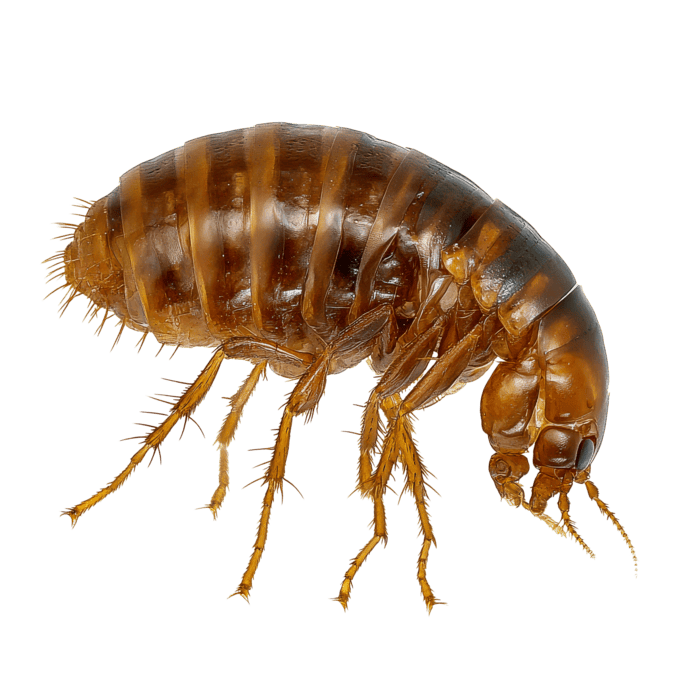
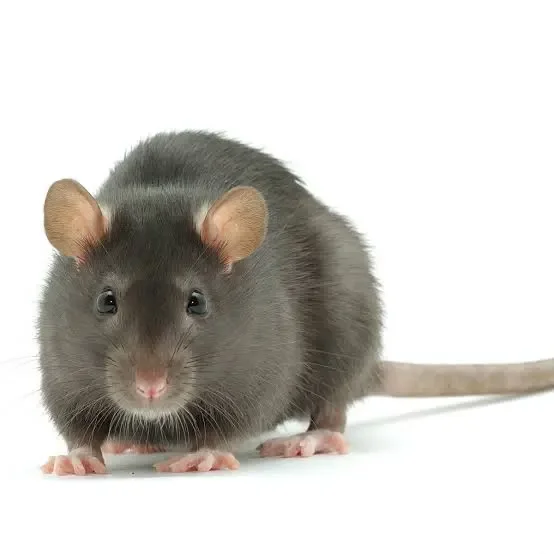
While the research regarding the exact scientific cause of the black plague has recently been questioned. The leading theory remains that the fleas that feasted on rats were infected and later passed this bacteria to humans, which started the plague.
In 2023, many scientists challenged the notion that rats or rodents were involved in the spread of the plague, suggesting that fleas and lice were the culprits. Their theory was motivated by their studies of the rat population.
There is nothing more “Guinea pig” in its use and application than lab rats. Scientists thought that the transmission rates of the disease from rats were impossible due to the plague spreading faster than rat-borne transmission allows.
However, they claim that gerbils in Asia were the culprits, which further muddles the conjecture regarding which rodent was ultimately the source.
The theories for the rat-flea hypothesis are the most traditional and factual in its tranmission. The abundance of rats living in unsanitary conditions in Europe during this time (especially on ships) and the interaction of fleas make it difficult to determine exactly which pest caused the plague.
Whether flea or rat, or rat by proxy, the irrefutable consensus remains that the bubonic plague was caused by the Yersinia pestis bacterium.