Question and Answer: AN overview
-
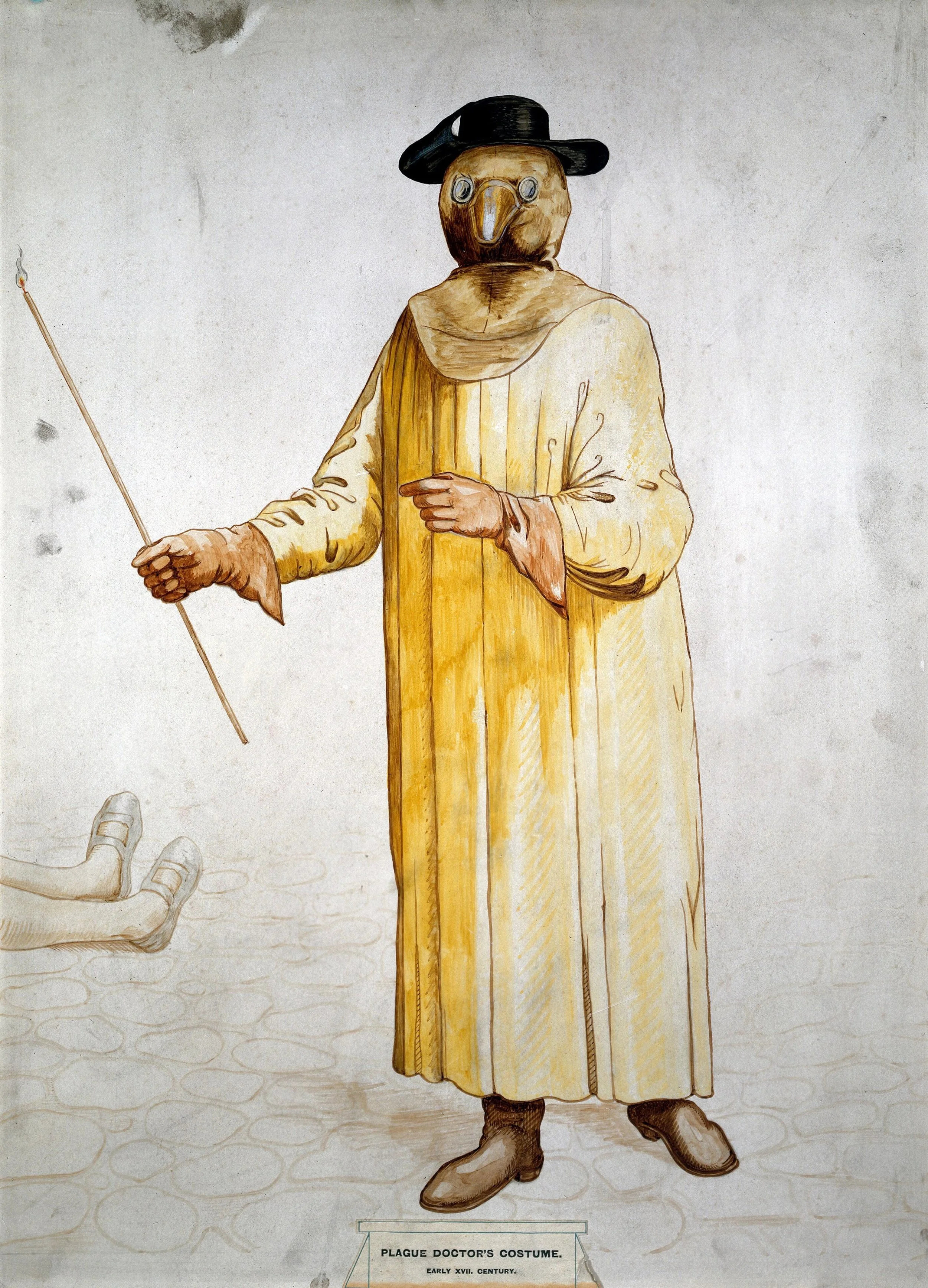
The Black Plague was a catastrophic pandemic of the bubonic plague that killed approximately 25–75 million people in Europe and Asia in the mid-1300s (1347-1351) (Over one-third of Europe’s population).
-
The Black Death outbreak began when the bacterium Yersinia pestis spread from rodents to humans. The source strain is traced back to wild rodent populations (such as marmots).
These rodents were bitten by infected fleas (Xenopsylla cheopis) that lived on black rats. When the rodent host died, these parasites moved to human hosts, which later transmitted the bacterium.
-
The term “black death” was derived from necrosis, which was basically the blackening of skin (gangrene) on the fingers, toes, and nose. The infection and bite marks would lead to dark, pus-filled swellings called buboes.
The term can also be translated from its Latin connotation, atra mors, which means black or terrible death.
-
The devastating pandemic known as the Black Plague annihilated most of Europe from 1346 to 1353. While most of Europe was affected from 1347 to 1351, its genesis was traced back to Central Asia in 1338.
-
Nearly all of Europe was ravaged by the Black Plague. Italy, France, England, Germany, Spain, Russia, and Scandinavia were among the countries hit the hardest. In addition to Europe, it originated in Central Asia, where China, India, and most of the Middle East and North Africa were heavily affected.
-
An estimated 75-200 million people died from the bubonic plague pandemic across Europe and Asia. It caused a 30–60% population reduction.